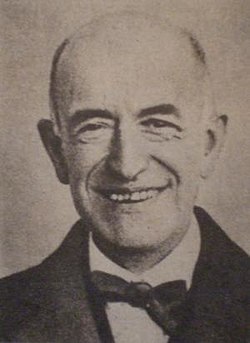
About Manuel de Falla
Manuel de Falla y Matheu (Spanish pronunciation: [maˈnwel de ˈfaʎa], 23 November 1876, Cádiz, Spain – 14 November 1946, Alta Gracia, Argentina) was a Spanish composer and pianist. Along with Isaac Albéniz, Francisco Tárrega, and Enrique Granados, he was one of Spain's most important musicians of the first half of the 20th century. He has a claim to being Spain's greatest composer of the 20th century, although the number of pieces he composed was relatively modest. == Biography == Falla was born Manuel María de los Dolores Falla y Matheu in Cádiz. He was the son of José María Falla, a Valencian, and María Jesús Matheu, from Catalonia. In 1889 he continued his piano lessons with Alejandro Odero and learned the techniques of harmony and counterpoint from Enrique Broca. At age 15 he became interested in literature and journalism and founded the literary magazines El Burlón and El Cascabel. === Madrid === By 1900 he was living with his family in the capital, where he attended the Real Conservatorio de Música y Declamación. He studied piano with José Tragó, a colleague of Isaac Albéniz, and composition with Felip Pedrell. In 1897 he composed Melodía for cello and piano and dedicated it to Salvador Viniegra, who hosted evenings of chamber music that Falla attended.
Biography source: Wikipedia. The profile adds birthday-specific historical context from the Celebs Birthday Today editorial database.