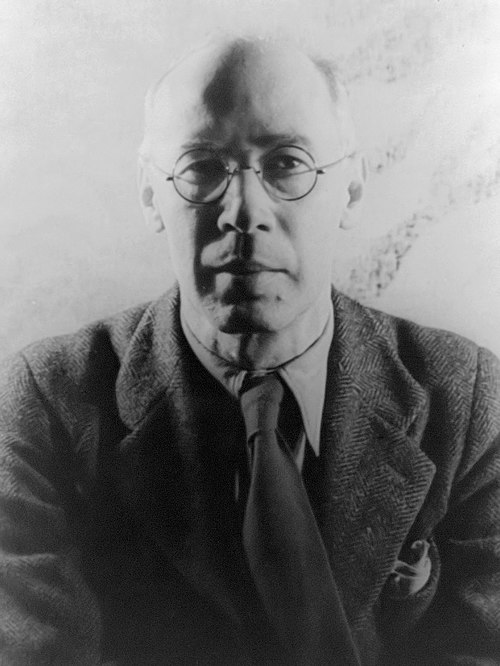
About Henry Miller
Henry Valentine Miller (December 26, 1891 – June 7, 1980) was an American novelist, short story writer and essayist. He broke with existing literary forms and developed a new type of semi-autobiographical novel that blends character study, social criticism, philosophical reflection, stream of consciousness, explicit language, sex, surrealist free association, and mysticism. His most characteristic works of this kind are Tropic of Cancer, Black Spring, Tropic of Capricorn, and the trilogy The Rosy Crucifixion, which are based on his experiences in New York City and Paris, and all of which were banned in the United States until 1961. He also wrote travel memoirs and literary criticism and painted watercolors. == Early life == Miller was born at his family's home, 450 East 85th Street, in the Yorkville section of Manhattan, New York City. He was the son of Lutheran German parents, Louise Marie (Neiting) and tailor Heinrich Miller. As a child, he lived for nine years at 662 Driggs Avenue in Williamsburg, Brooklyn, known at that time (and referred to frequently in his works) as the Fourteenth Ward. In 1900, his family moved to 1063 Decatur Street in Brooklyn's Bushwick neighborhood. Although his family remained in Bushwick, Miller attended Eastern District High School in Williamsburg after finishing elementary school. As a young man, he was active with the Socialist Party of America (his "quondam idol" was the black Socialist Hubert Harrison).
Biography source: Wikipedia. The profile adds birthday-specific historical context from the Celebs Birthday Today editorial database.